neck tension Archives - AGS Custom Parts
26 Apr 2026

How to Keep Your Brass Consistent (Without Overcomplicating It)

Once you realize that consistency matters, the next question is simple:

How do you actually keep it?

The mistake most people make is trying to fix everything at once.

You don’t need that.

What you need is control over a few key variables.

Start with one principle

You don’t need a perfect setup.

You need a repeatable one.

Because consistency doesn’t come from doing things “right” once.

👉 it comes from doing the same thing every time

Control what actually changes

Most components stay the same:

— powder
— bullets
— primers

Brass doesn’t.

It changes every cycle.

So your job is simple:

👉 bring it back to the same condition every time

Keep your brass organized

This is where most people lose control early.

— mixing different lots
— mixing different firing counts
— losing track of cycles

Result:

👉 inconsistent behavior before you even start

What helps:

— keep brass in batches
— track number of firings (even roughly)
— don’t mix “fresh” and “tired” cases

Pay attention to sizing

Sizing isn’t just about making the case fit.

It directly affects neck tension.

What matters:

— consistent die setup
— consistent bushing choice (if used)
— minimal variation in neck sizing

For most precision applications:

— 0.001–0.002″ neck tension is enough

For hunting or rough handling:

— 0.003–0.004″ gives more bullet hold

The key isn’t the number.

👉 it’s that it stays the same

Seating force tells you more than you think

You don’t always need instruments.

You can learn a lot from the process itself.

— some bullets seat smooth
— some take more force

That difference matters.

Not everyone can feel it consistently by hand.

But there are simple tools that can measure it.

Either way:

👉 variation here is a signal

Don’t ignore annealing

At this point, it should be obvious:

If brass keeps changing, you need to reset it.

That’s what annealing does.

— reduces work hardening
— stabilizes neck behavior
— improves consistency across cycles

It doesn’t need to be complicated.

But it needs to be repeatable.

Keep the process simple

You don’t need 10 variables.

You need control over a few:

— consistent brass condition
— consistent sizing
— consistent seating
— consistent annealing

That’s enough to remove most of the guesswork.

What happens when you get it right

When your process is consistent:

— seating feels the same
— velocities stabilize
— groups become predictable

You stop chasing problems.

And start seeing patterns.

What this means

You don’t need perfect gear.

You don’t need complicated routines.

You need:

👉 a process you can repeat

Where this leads

At this point, the difference becomes clear:

Some shooters adjust constantly.

Others:

👉 build a process that doesn’t need adjusting

Next

In the final post:

— how to remove guesswork completely
— what a controlled process actually looks like
— and why that’s what makes the difference
25 Apr 2026

How to Tell If Your Ammo Is Letting You Down

Most shooters don’t question their ammo.

They question everything else.

— the scope
— the rifle
— the wind
— themselves

And most of the time, that makes sense.

Until it doesn’t.

The moment it starts to matter

Everything looks fine — most of the time.

At the range:

— decent groups
— nothing spectacular, but acceptable

In practice:

— you hit what you aim at
— most of the time

So you don’t think much about it.

Then something feels off

You line up a shot you’ve made before.

You break it clean.

And the result isn’t what you expected.

Now you start questioning:

— did I pull it?
— was it wind?
— did I rush it?

Sometimes it’s you.

But if it keeps happening — it’s not.

The pattern most people ignore

It’s rarely just one bad shot.

It’s a pattern:

— two or three good hits
— one that doesn’t fit
— then back to normal

Or:

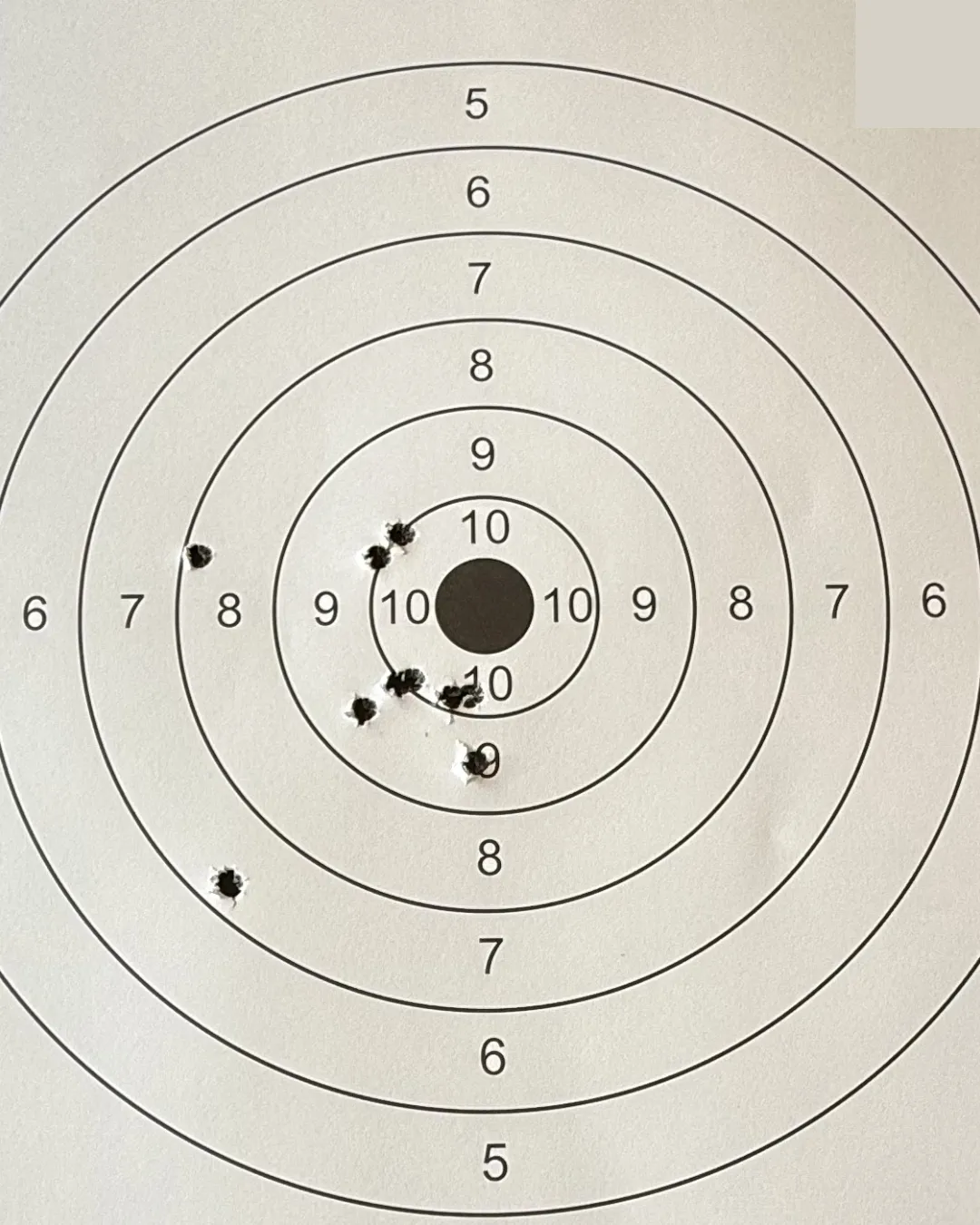
— groups that look “okay”
— but never quite tight anymore

Or:

— results that change from one session to another
— without a clear reason

“It usually shoots fine”

This is where most people get stuck.

Because “usually” means:

👉 it’s not consistent

And inconsistency is exactly what shows up when the shot matters.

Where ammo comes in

If your brass isn’t behaving the same way every time:

— neck tension changes
— bullet release changes
— velocity changes

You may not measure it.

But you will see the result.

What that actually means

Inconsistent neck tension doesn’t just affect groups.

👉 it changes how every round behaves

And once rounds stop behaving the same:

— your load is no longer predictable

Real-world situation

You go hunting.

You take a shot you’ve taken before.

Everything feels right.

But the result isn’t clean.

Now you’re:

— tracking
— second-guessing
— trying to understand what went wrong

Sometimes it’s the shooter.

But not always.

And when the same setup gives different results:

👉 ammo is one of the first places you should look

At the range, it’s easy to ignore

A flyer is easy to dismiss.

— “that was me”
— “bad trigger pull”
— “wind gust”

Sometimes that’s true.

But if it keeps happening:

👉 it’s not random

The simple check

You don’t need lab equipment to notice this.

Pay attention to:

— seating force
— how the bolt closes
— how your groups behave over time

If those change:

👉 something in your process is changing

The part most people miss

People will:

— change powder
— adjust seating depth
— switch components

Before they question the brass.

But brass is the one component that:

👉 changes every single cycle

It adds up

Each small variation on its own:

— slightly different neck tension
— small velocity shifts
— minor inconsistencies

Doesn’t seem like much.

But together:

— they stack

That’s how a 1 MOA rifle becomes a 2 MOA rifle — or even worse.

Not because anything suddenly broke.

But because consistency was lost.

The key point

Skipping annealing — or doing it inconsistently — doesn’t always ruin your brass.

But it removes one of the biggest advantages you can have:

👉 repeatability

What this means

If your brass is changing from cycle to cycle:

— your results will change
— your load won’t behave the same
— your confidence drops

If your process is controlled:

— results stabilize
— behavior becomes predictable
— shooting becomes easier

Where this leads

At this point, it’s no longer:

“Is my rifle accurate?”

It’s:

👉 “Is my ammo behaving the same every time?”

Next

In the next posts:

— how to keep your brass consistent
— what actually works in practice
— and how to remove guesswork from the process

24 Apr 2026

What Happens When Brass Is Not Annealed — Or Annealed Inconsistently

By now, it should be clear that annealing isn’t about the method.

It’s about consistency.

But what happens when that consistency isn’t there?

Whether brass is not annealed at all — or annealed inconsistently —
the result is the same:

👉 performance starts to drift

It doesn’t fail immediately

One of the biggest misconceptions is that something has to go visibly wrong.

— split necks
— damaged brass
— obvious defects

That’s not how it usually starts.

Most of the time, it begins quietly:

— groups slowly open up
— an occasional flyer appears
— velocity starts spreading

And it’s easy to blame something else.

When brass is not annealed

With repeated firing and resizing:

— brass work-hardens
— spring-back increases
— neck tension becomes less consistent

Even if everything else in your process stays the same:

— the brass itself is changing

Result:

— same load, different behavior
— inconsistent bullet release
— growing ES/SD

When annealing is inconsistent

This is just as common — and often harder to notice.

Some cases are:

— slightly softer
— slightly harder

Not enough to see.

But enough to matter.

Result:

— seating force varies
— pressure curve changes
— velocity variation increases

And eventually:

👉 it shows on target

What it looks like in practice

You go to the range with a load that used to shoot well.

At first:

— everything looks fine

Then:

— one shot opens the group
— another drifts slightly
— one goes completely off

Now you start thinking:

— wind?
— scope?
— shooter error?

Sometimes, yes.

But often:

👉 it’s brass inconsistency

It adds up

Each of these on its own:

— small variation in neck tension
— slight velocity differences
— minor inconsistencies

May not seem like much.

But together:

— they stack

That’s how a 1 MOA rifle becomes a 2 MOA rifle — or even worse.

Not because anything suddenly broke.

But because consistency was lost.

The hidden cost

When this happens, most people don’t immediately look at brass.

Instead, they start adjusting:

— seating depth
— powder charge
— components

Trying to fix something that isn’t actually the root cause.

That costs:

— time
— components
— confidence

The key point

Skipping annealing — or doing it inconsistently — doesn’t always ruin your brass.

But it removes one of the biggest advantages you can have:

👉 repeatability

What this means

If your brass is changing from cycle to cycle:

— your results will change
— your load won’t behave the same
— your confidence drops

If your process is consistent:

— results stabilize
— behavior becomes predictable
— performance improves

Where this leads

At this point, the question is no longer:

“Should I anneal?”

But:

👉 “Can I keep my brass behaving the same every time?”

Next

In the next post:

— how to recognize correct annealing in practice
— what to look for
— simple indicators your process is working