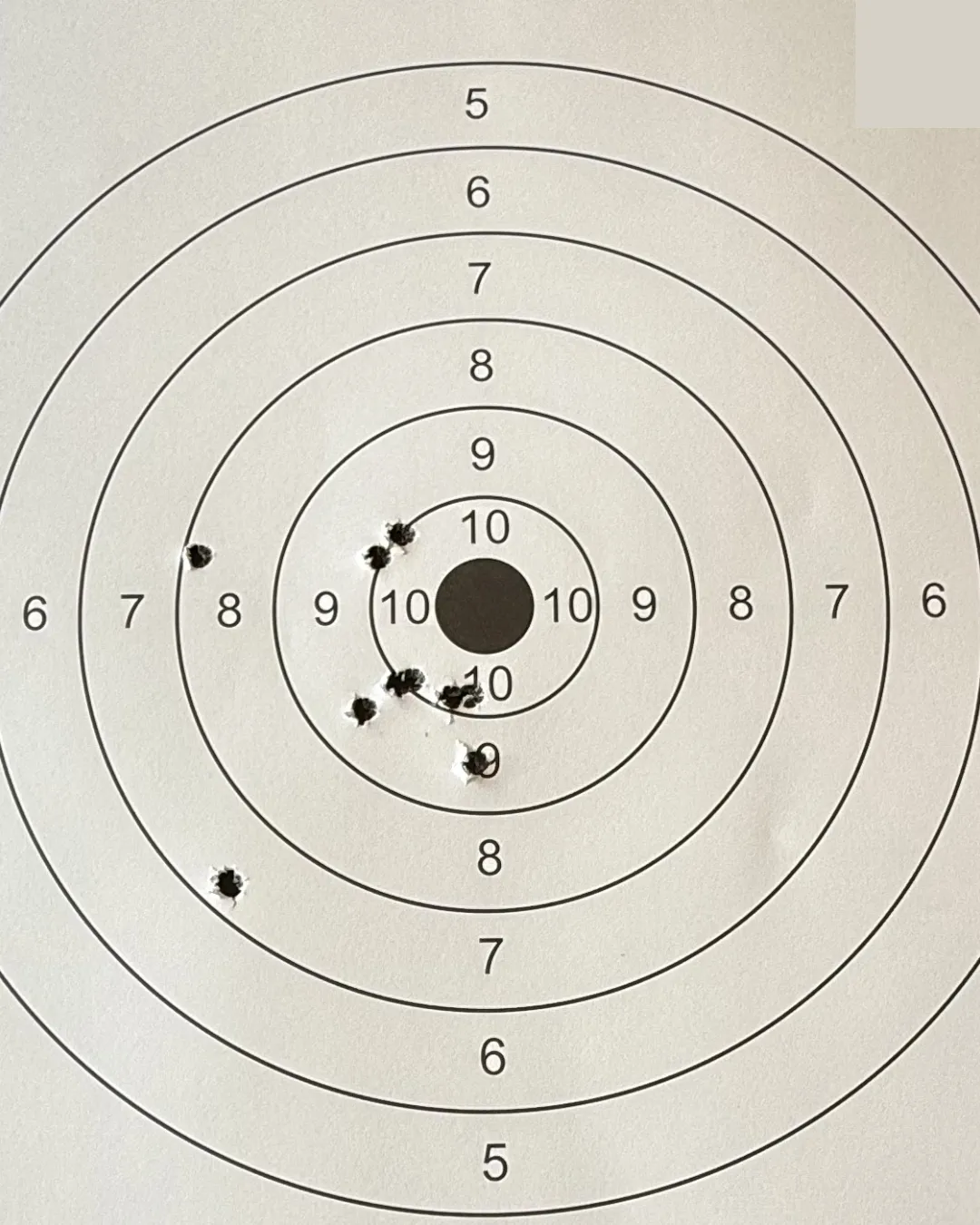

At some point, every shooter runs into the same problem.
Not a broken rifle.
Not bad optics.
Not even bad technique.
Just results that don’t match expectations.
Sometimes it works.
Sometimes it doesn’t.
And there’s no clear reason why.
Where most people stay
Most shooters never really solve this.
They adapt to it.
— “good enough”
— “it happens”
— “that one was probably me”
And over time, that becomes normal.
What changes everything
The shift happens when you stop looking for single fixes.
And start looking at the process as a whole.
Because accuracy isn’t just about:
— the rifle
— the load
— the conditions
It’s about whether everything behaves the same way every time.
This is where brass comes in
Brass is the only component that:
 changes every single cycle
Everything else stays relatively stable.
Brass doesn’t.
If you don’t control that:
— your process isn’t stable
— your results won’t be either
You can control powder, bullets and primers from the start.
Brass is the only component that drifts — unless you control it.
My turning point
At one point, I had a load that worked.
— good groups
— consistent performance
— predictable behavior
Then it started to change.
Nothing obvious.
Just:
— groups opening up
— occasional flyers
— results that didn’t match what I expected
At first, I blamed everything else.
Like most people do.
What actually fixed it
It wasn’t a new powder.
It wasn’t a different bullet.
It wasn’t a new rifle setup.
It was control.
making sure the brass behaved the same every time
No guessing.
No “this one might be different”.
No relying on luck.
What consistency really gives you
Consistency doesn’t make you a better shooter overnight.
But it removes variables.
And when variables are removed:
— mistakes become obvious
— results become repeatable
— confidence increases
This applies everywhere
At the range:
— groups tighten
— behavior stabilizes
In competition:
— fewer surprises
— more predictable outcomes
In hunting:
— more confidence in the shot
— less second-guessing
The difference
At some point, the difference becomes clear:
Some shooters keep adjusting.
Others:
build a process that doesn’t need adjusting
What this means
This isn’t about chasing perfection.
It’s about removing randomness.
Because once randomness is gone:
performance becomes predictable
Final thought
Consistency isn’t something you add later.
It’s not an upgrade.
it’s the baseline