Most shooters don’t question their ammo.
They question everything else.
— the scope
— the rifle
— the wind
— themselves
And most of the time, that makes sense.
Until it doesn’t.
The moment it starts to matter
Everything looks fine — most of the time.
At the range:
— decent groups
— nothing spectacular, but acceptable
In practice:
— you hit what you aim at
— most of the time
So you don’t think much about it.
Then something feels off
You line up a shot you’ve made before.
You break it clean.
And the result isn’t what you expected.
Now you start questioning:
— did I pull it?
— was it wind?
— did I rush it?
Sometimes it’s you.
But if it keeps happening — it’s not.
The pattern most people ignore
It’s rarely just one bad shot.
It’s a pattern:
— two or three good hits
— one that doesn’t fit
— then back to normal
Or:
— groups that look “okay”
— but never quite tight anymore
Or:
— results that change from one session to another
— without a clear reason
“It usually shoots fine”
This is where most people get stuck.
Because “usually” means:
 it’s not consistent
And inconsistency is exactly what shows up when the shot matters.
Where ammo comes in
If your brass isn’t behaving the same way every time:
— neck tension changes
— bullet release changes
— velocity changes
You may not measure it.
But you will see the result.
What that actually means
Inconsistent neck tension doesn’t just affect groups.
it changes how every round behaves
And once rounds stop behaving the same:
— your load is no longer predictable
Real-world situation
You go hunting.
You take a shot you’ve taken before.
Everything feels right.
But the result isn’t clean.
Now you’re:
— tracking
— second-guessing
— trying to understand what went wrong
Sometimes it’s the shooter.
But not always.
And when the same setup gives different results:
ammo is one of the first places you should look
At the range, it’s easy to ignore
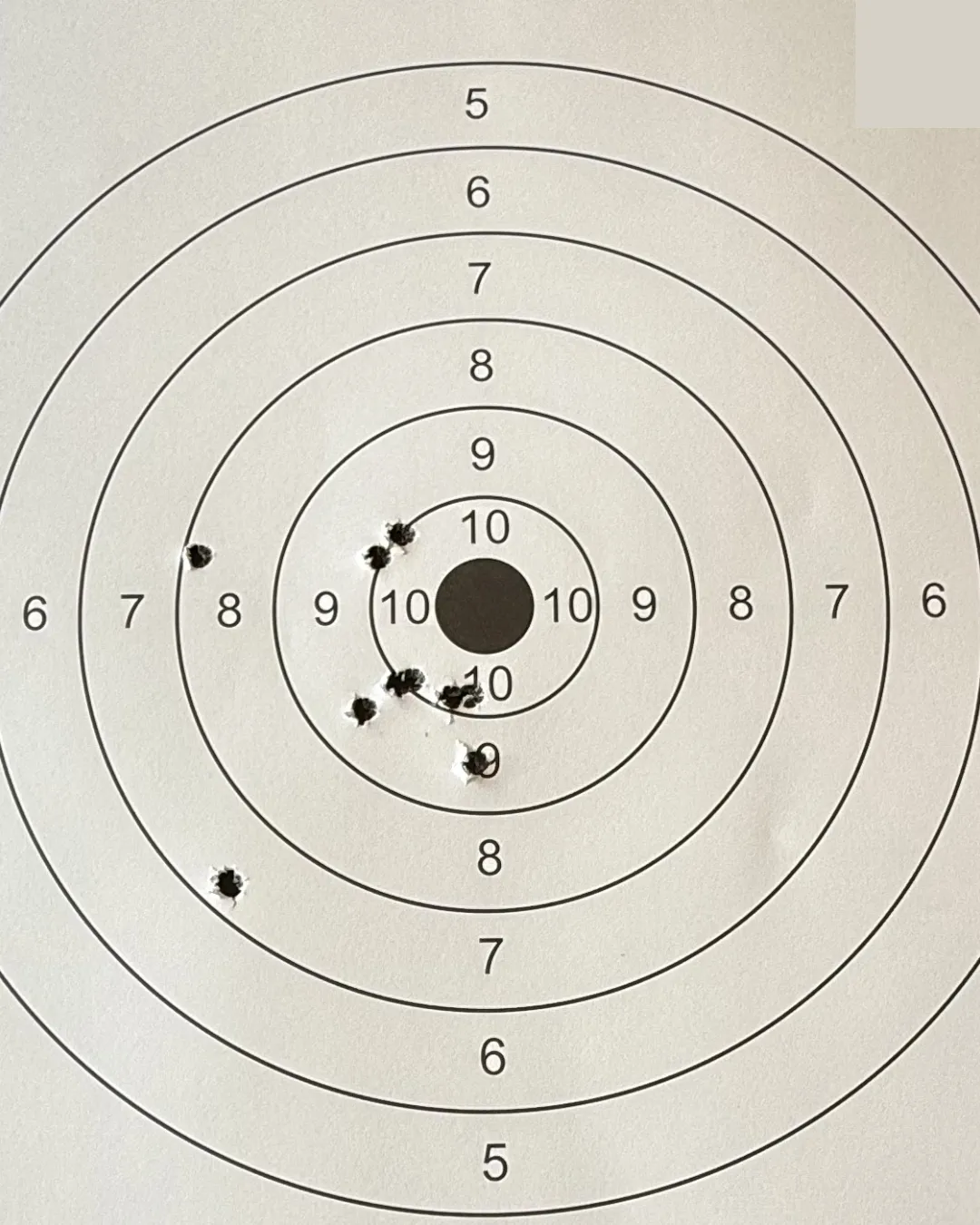
A flyer is easy to dismiss.
— “that was me”
— “bad trigger pull”
— “wind gust”
Sometimes that’s true.
But if it keeps happening:
it’s not random
The simple check
You don’t need lab equipment to notice this.
Pay attention to:
— seating force
— how the bolt closes
— how your groups behave over time
If those change:
something in your process is changing
The part most people miss
People will:
— change powder
— adjust seating depth
— switch components
Before they question the brass.
But brass is the one component that:
changes every single cycle
It adds up
Each small variation on its own:
— slightly different neck tension
— small velocity shifts
— minor inconsistencies
Doesn’t seem like much.
But together:
— they stack
That’s how a 1 MOA rifle becomes a 2 MOA rifle — or even worse.
Not because anything suddenly broke.
But because consistency was lost.
The key point
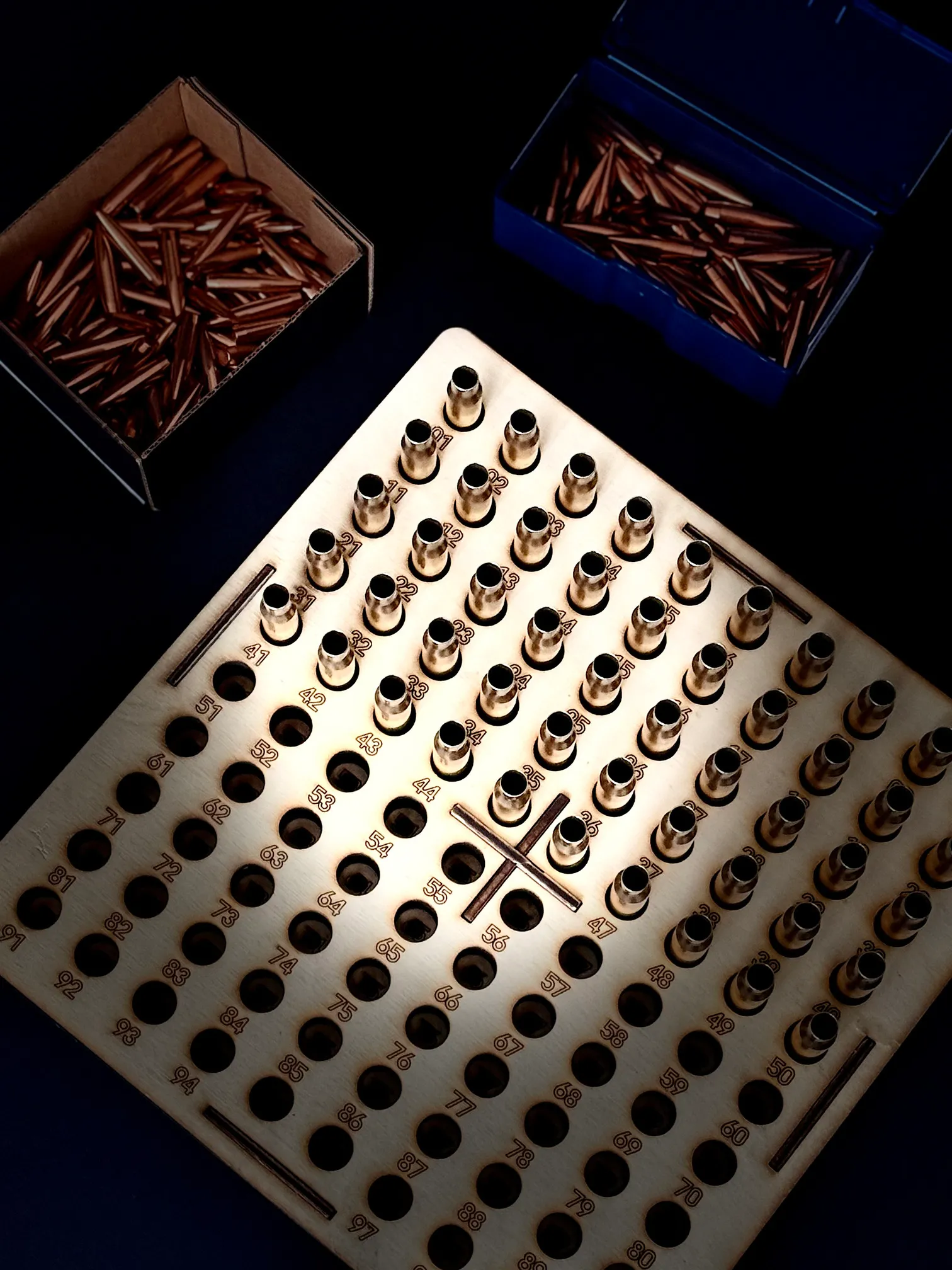
Skipping annealing — or doing it inconsistently — doesn’t always ruin your brass.
But it removes one of the biggest advantages you can have:
repeatability
What this means
If your brass is changing from cycle to cycle:
— your results will change
— your load won’t behave the same
— your confidence drops
If your process is controlled:
— results stabilize
— behavior becomes predictable
— shooting becomes easier
Where this leads
At this point, it’s no longer:
“Is my rifle accurate?”
It’s:
“Is my ammo behaving the same every time?”
Next
In the next posts:
— how to keep your brass consistent
— what actually works in practice
— and how to remove guesswork from the process