By now, it should be clear that annealing isn’t about the method.
It’s about consistency.
But what happens when that consistency isn’t there?
Whether brass is not annealed at all — or annealed inconsistently —
the result is the same:
 performance starts to drift
It doesn’t fail immediately
One of the biggest misconceptions is that something has to go visibly wrong.
— split necks
— damaged brass
— obvious defects
That’s not how it usually starts.
Most of the time, it begins quietly:
— groups slowly open up
— an occasional flyer appears
— velocity starts spreading
And it’s easy to blame something else.
When brass is not annealed
With repeated firing and resizing:
— brass work-hardens
— spring-back increases
— neck tension becomes less consistent
Even if everything else in your process stays the same:
— the brass itself is changing
Result:
— same load, different behavior
— inconsistent bullet release
— growing ES/SD
When annealing is inconsistent
This is just as common — and often harder to notice.
Some cases are:
— slightly softer
— slightly harder
Not enough to see.
But enough to matter.
Result:
— seating force varies
— pressure curve changes
— velocity variation increases
And eventually:
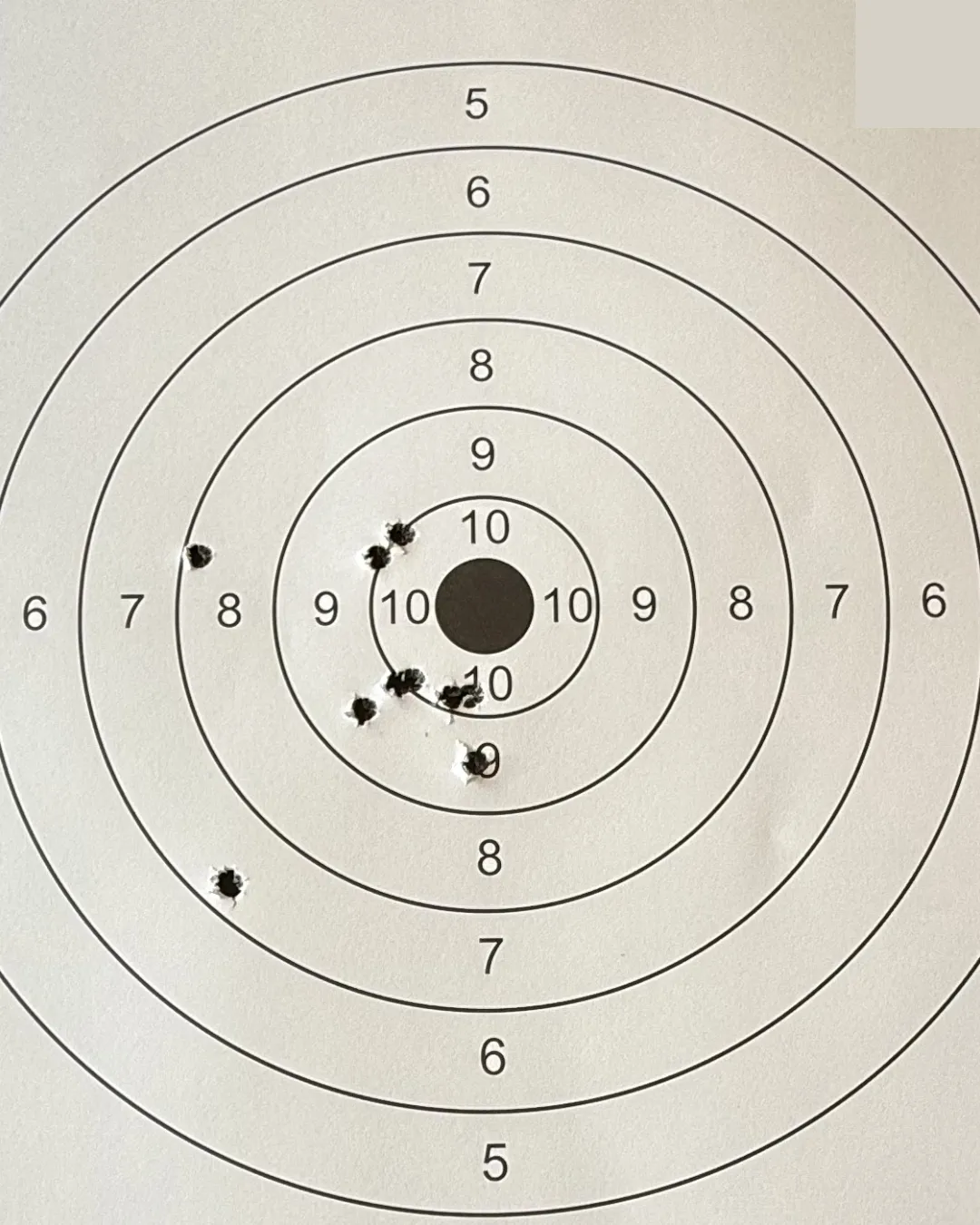
it shows on target
What it looks like in practice
You go to the range with a load that used to shoot well.
At first:
— everything looks fine
Then:
— one shot opens the group
— another drifts slightly
— one goes completely off
Now you start thinking:
— wind?
— scope?
— shooter error?
Sometimes, yes.
But often:
it’s brass inconsistency
It adds up
Each of these on its own:
— small variation in neck tension
— slight velocity differences
— minor inconsistencies
May not seem like much.
But together:
— they stack
That’s how a 1 MOA rifle becomes a 2 MOA rifle — or even worse.
Not because anything suddenly broke.
But because consistency was lost.
The hidden cost
When this happens, most people don’t immediately look at brass.
Instead, they start adjusting:
— seating depth
— powder charge
— components
Trying to fix something that isn’t actually the root cause.
That costs:
— time
— components
— confidence
The key point
Skipping annealing — or doing it inconsistently — doesn’t always ruin your brass.
But it removes one of the biggest advantages you can have:
repeatability
What this means
If your brass is changing from cycle to cycle:
— your results will change
— your load won’t behave the same
— your confidence drops
If your process is consistent:
— results stabilize
— behavior becomes predictable
— performance improves
Where this leads
At this point, the question is no longer:
“Should I anneal?”
But:
“Can I keep my brass behaving the same every time?”
Next
In the next post:
— how to recognize correct annealing in practice
— what to look for
— simple indicators your process is working